
[un] blog
Research
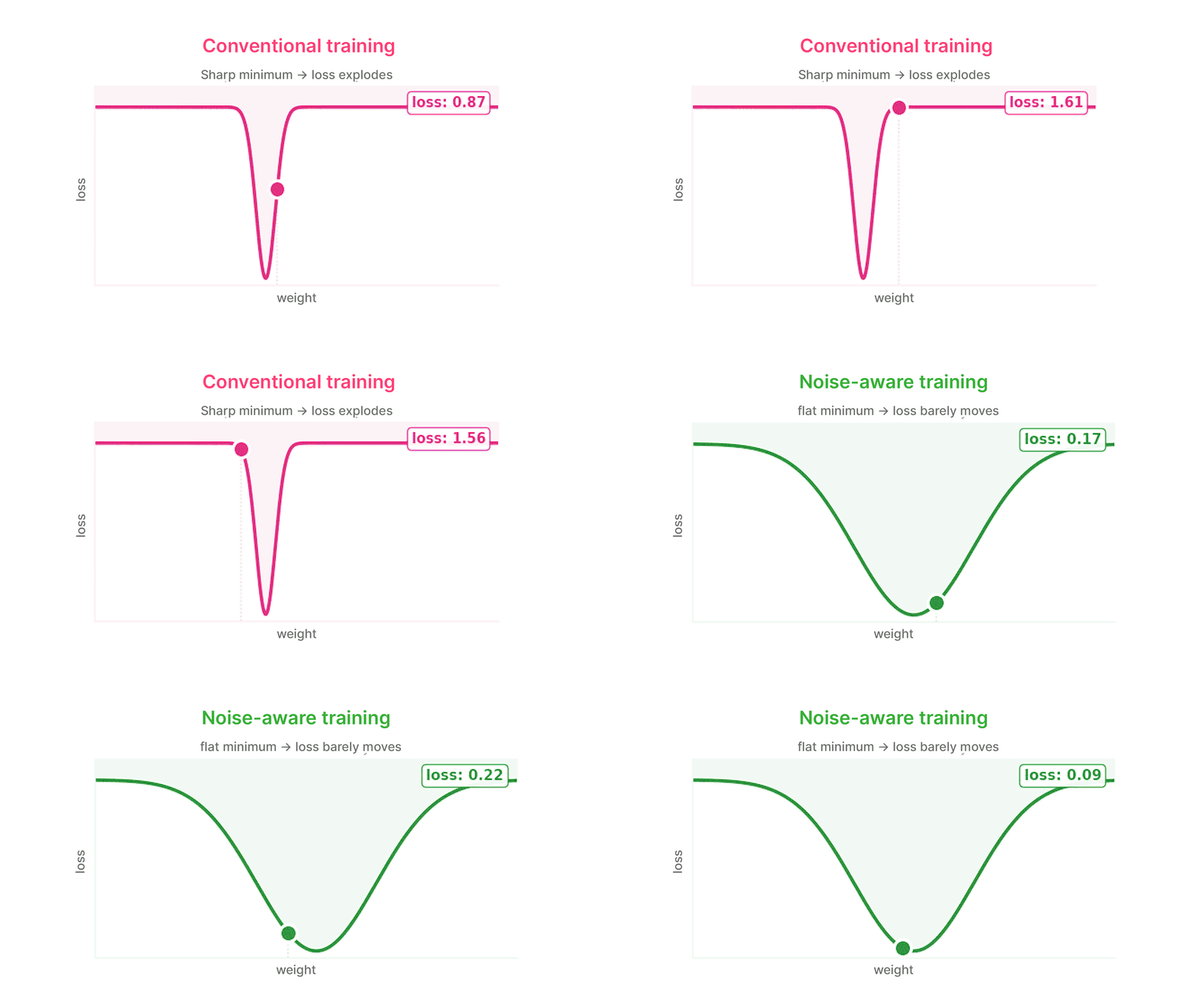
The universal memory never arrived. Here's how relaxing error rates lets each memory technology, from PCM to eDRAM, finally find its job in the age of AI.
July 9, 2026
Research
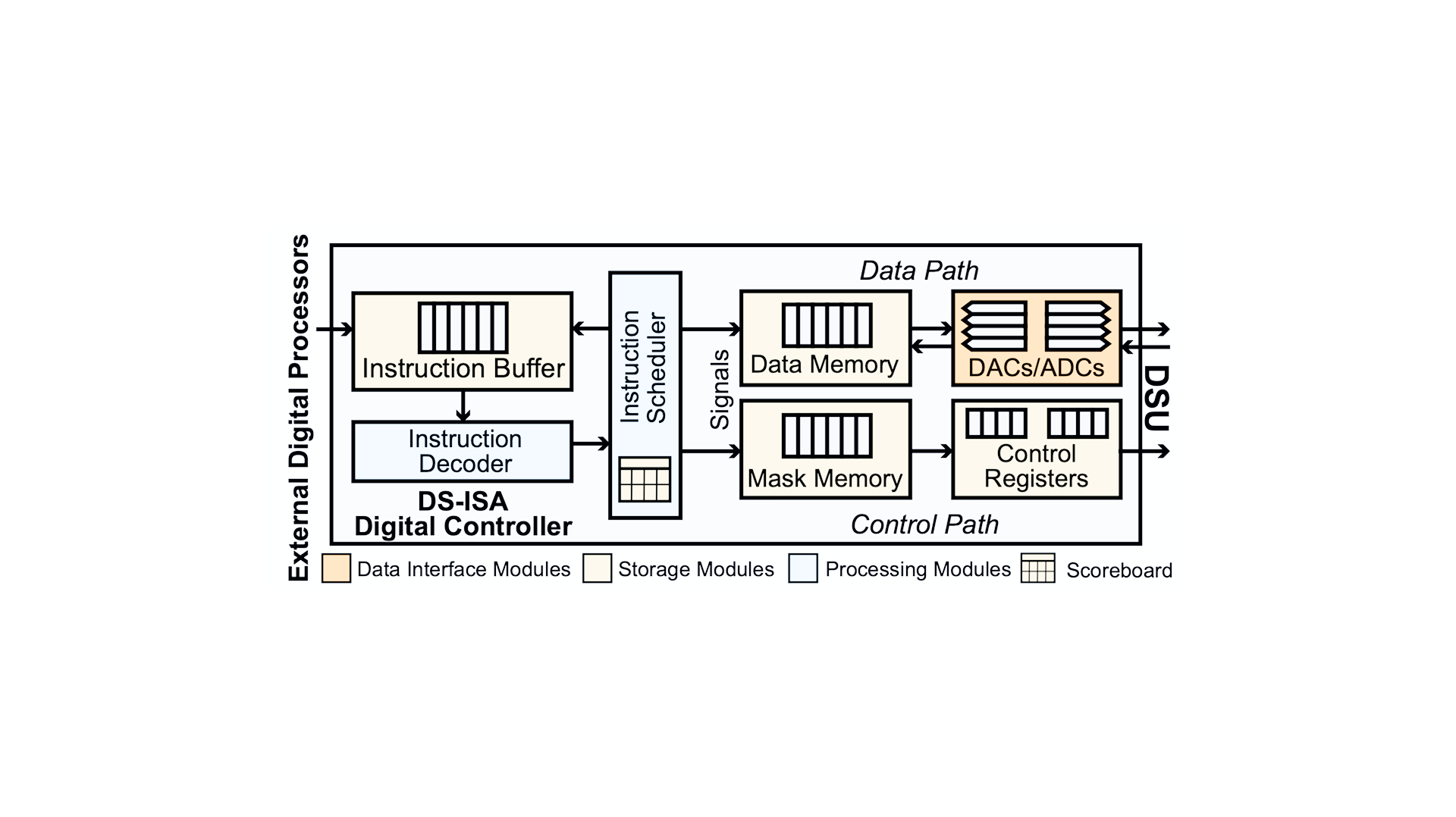
DS-ISA, the first Instruction Set Architecture for dynamical system hardware: a new vocabulary for software to program AI that computes with physics.
June 30, 2026
Model Release
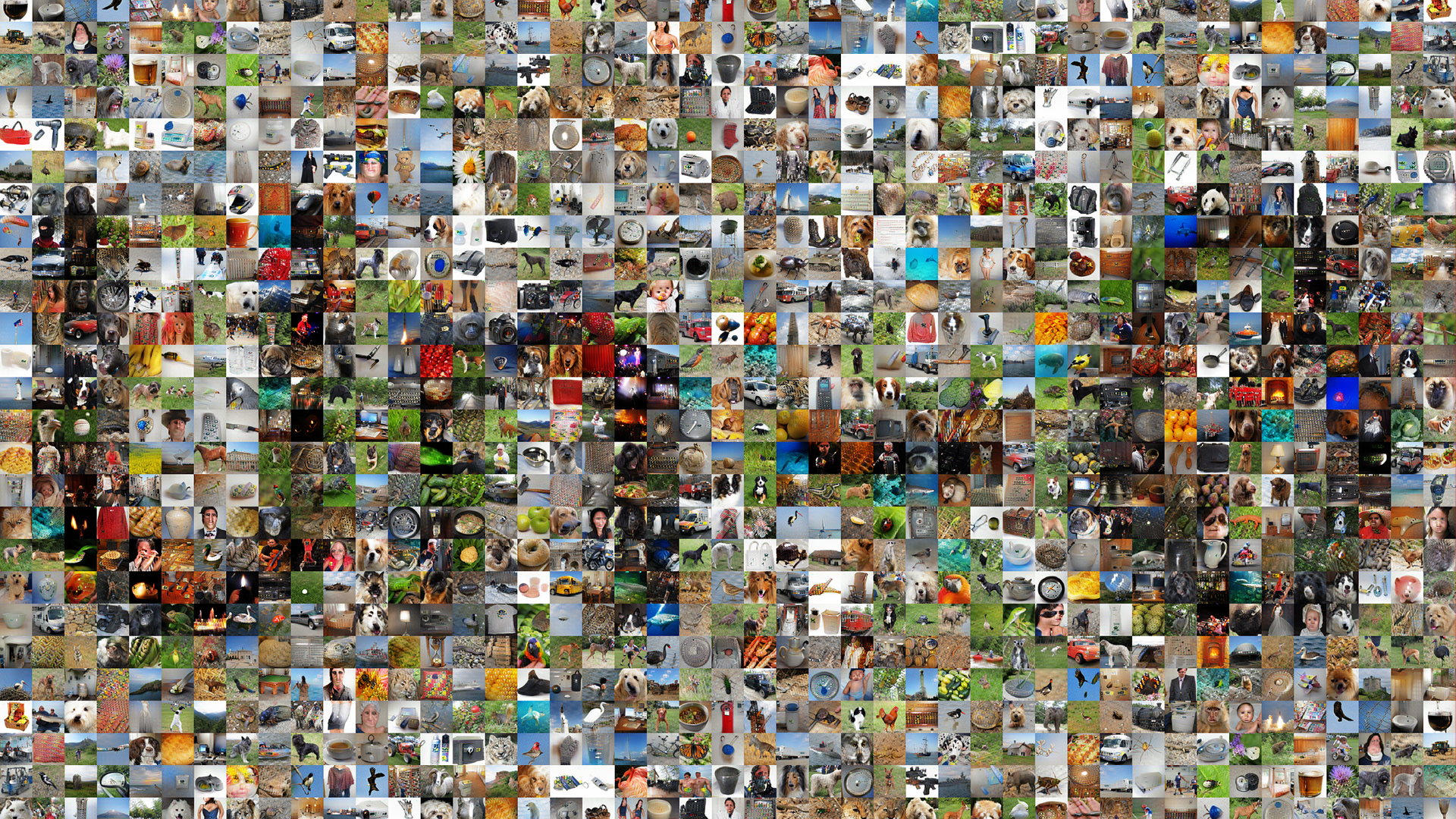
We built Un-0, an image generator powered by a simulated system of coupled oscillators, an example of an emerging physical computing substrate. On ImageNet 64×64 it reaches FID 6.74, matching the quality of leading conventional image generation methods when they were first published. Weights, training, and ablation code are all open.
June 25, 2026
Culture
Most companies use AI tools, but we are not a 'conventional company.' Our [un]CFO shares how he used AI across finance, research, recruiting, and legal to help build a new kind of company.
June 18, 2026
Research
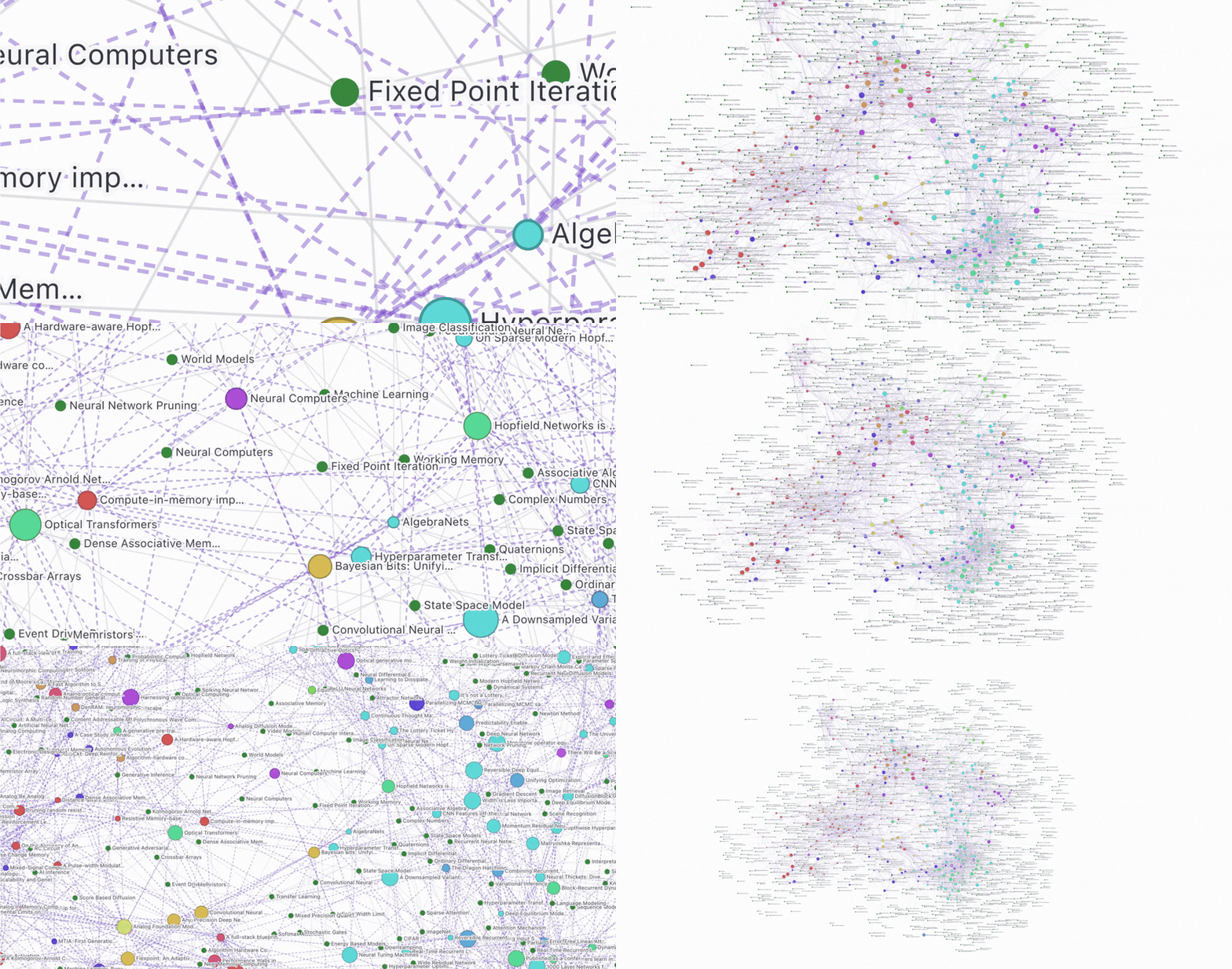
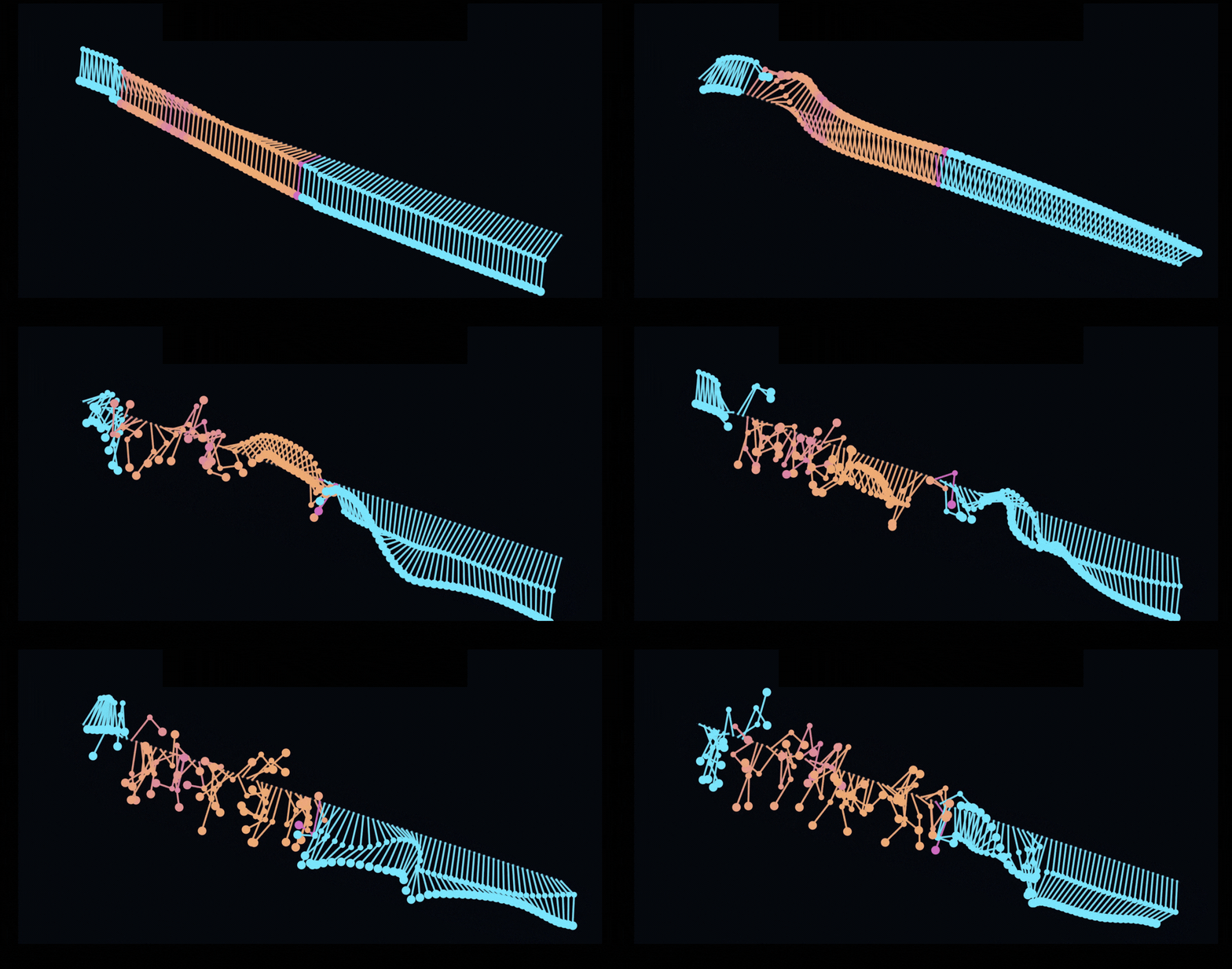
Exploring digital twins, chaos theory, numerical simulation, and system modeling as the foundation for neural co-evolution at Unconventional AI.
June 11, 2026
Research
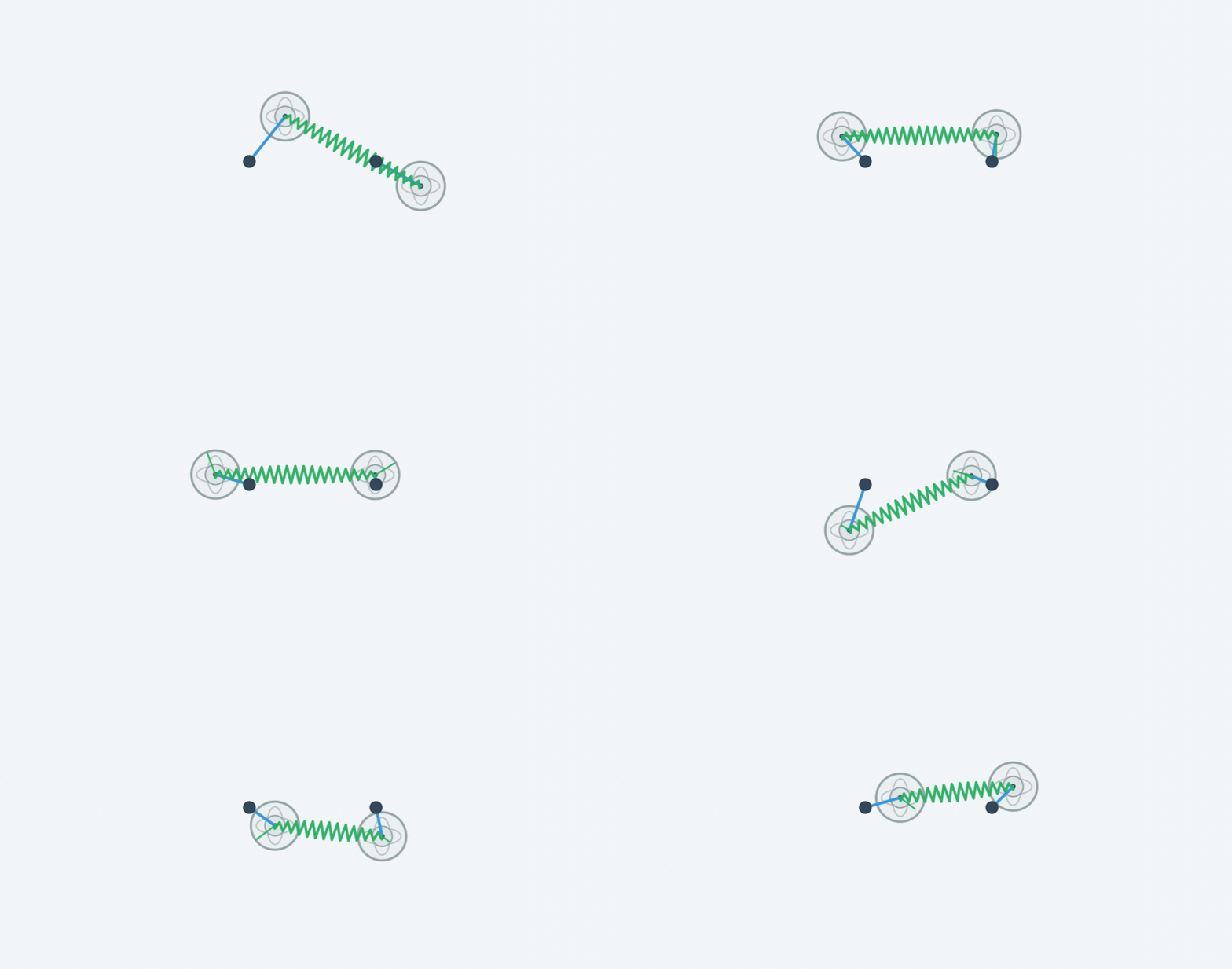
A technical exploration of machine learning with dynamics using gyroscopes, springs, coupled nonlinear ODEs, and differentiable physical systems for sequence classification.
May 21, 2026
Announcement
Why scaling alone will not solve AI efficiency and how the Unconventional Grant is supporting new computational paradigms across hardware, systems, neural architectures, and theory.
May 14, 2026
Research
Why memory, not compute, is the real bottleneck in AI energy efficiency. A deep dive into data movement, Amdahl’s Law, and the path to 1000x inference efficiency.
May 7, 2026

Research
As AI systems hit energy efficiency limits, this post explores the tradeoffs between analog and digital computing and why future AI may require a mixed-signal approach.
April 30, 2026
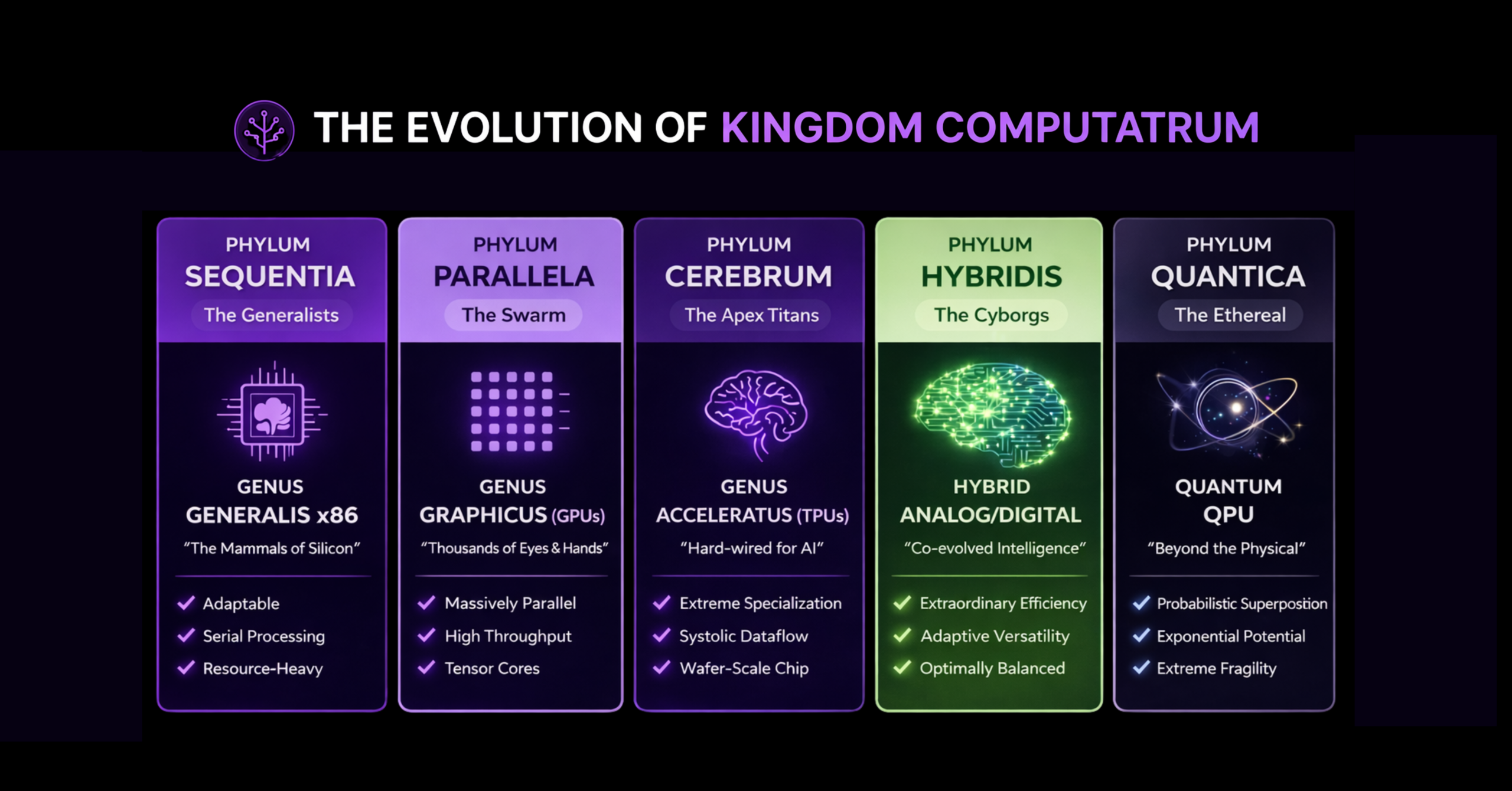
Research
Srenik Mehta, Carlos H. Morales, Peter McMahon, Sriram Krishnamoorthy, Sara Achour, Michael Carbin, MeeLan Lee, Naveen Rao
For 60 years, hardware and software have been siloed. Discover how Unconventional AI is breaking these barriers through "neural co-evolution"—co-designing neural networks and physical systems to unlock 1000x efficiency.
April 2, 2026